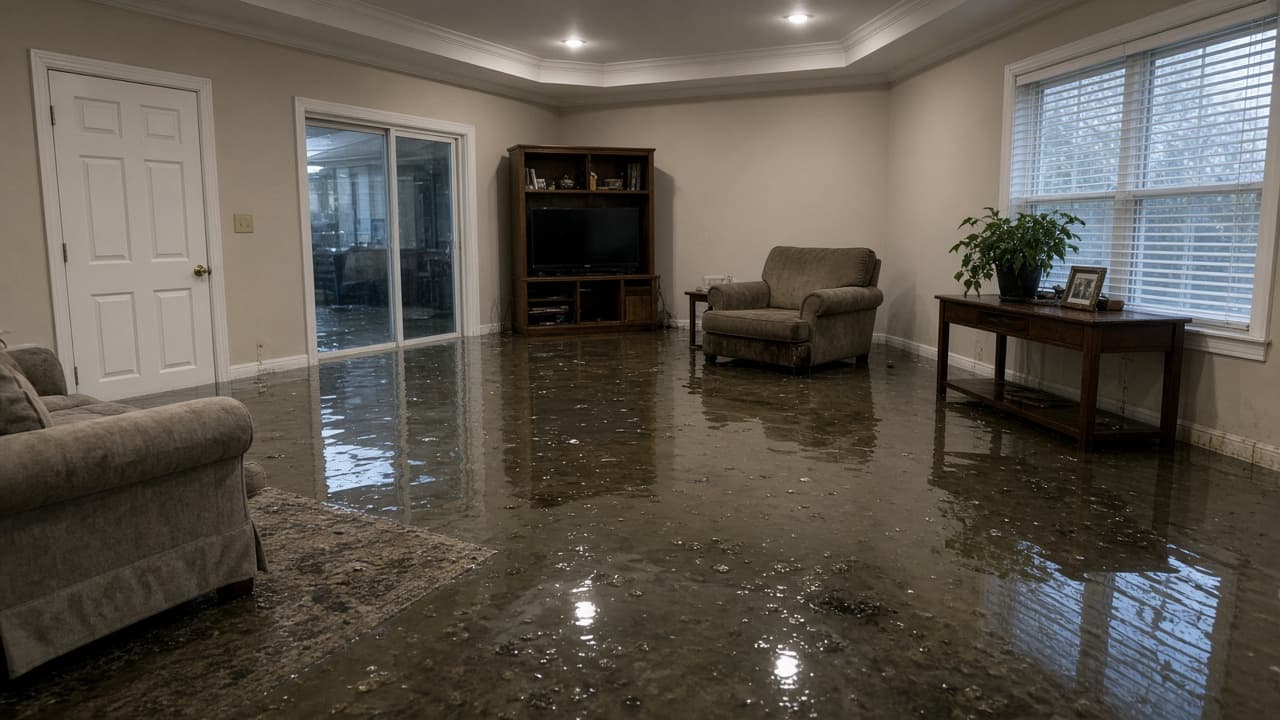
Fort Myers, FL
Water damage in Fort Myers? Start with what happened.
Canal flooding, beach surge, and Ian-era repair history change how water events unfold. Start with what happened, then get help when extraction or verified drying is needed.
Start here
What happened at the property?
Select the situation that feels closest. We’ll show clear next steps — then continue into help only if you need it.
Guidance panel
Choose a situation to see what to do next.
This is the same PostDamage path used across the product: understand the situation first, then continue only when professional help makes sense.
Next step
Ready for local help?
Choose a situation above first. We’ll preserve what you selected and only ask for ZIP and contact details.
Choose your situationRestoration process
Extract → Dry → Measure → Repair
Professional water-damage work usually follows a measured sequence so drying is verified before repairs begin.
01
Extract
Remove standing water with equipment matched to the volume and water category.
02
Dry
Use controlled airflow and dehumidification so materials and cavities can dry thoroughly.
03
Measure
Track moisture readings so drying continues until levels are appropriate — not just until surfaces look dry.
04
Repair
Plan repairs after the affected area is stable and the extent of damage is understood.
What Fort Myers homeowners should watch for
Note canal, surge, or roof entry, and whether prior storm repairs may still be incomplete — then continue to help if materials stay wet.
Canal flooding and Ian-era repair history
Caloosahatchee and canal flooding, beach surge, and Ian-era roof or flood repairs can leave ongoing moisture paths. Incomplete prior work may show up as new interior water after the next storm.
Gulf hurricane and surge exposure
Gulf Coast markets face hurricane wind and coastal or bay surge risk. Interior water after a storm often means both an entry point and materials that still need drying.
Post-hurricane recovery housing
Ian-affected Gulf markets include homes with storm-era roof or flood repair history. Incomplete prior drying or unfinished repairs can leave moisture paths that show up as new interior water or musty conditions.
Humidity and unfinished drying
Year-round humidity means wet materials that look dry on the surface can still support secondary damage. Project peak mold-risk window for this market: year-round; spikes after hurricanes and summer humidity. Unfinished drying after a leak is the decision risk — not rainfall averages.
Area served: Fort Myers, FL and surrounding Lee County communities · No specific provider is represented as already assigned on this page.
Insurance & documentation checklist
Coverage depends on the cause of loss and your policy. These steps help you organize what most insurers ask for.
- 01
Photograph from a safe place
Capture the source if visible, wet materials and a wide shot of the room — then stop if conditions are unsafe.
- 02
Write a short timeline
Note when you discovered the water, whether it is still active and what you already shut off or moved.
- 03
Call your insurer early
Ask what evidence they need and whether mitigation requires approval. Coverage depends on cause and policy.
- 04
Keep receipts and scopes
Save emergency shutoff, extraction or drying invoices. Ask for written scopes before non-emergency repairs.