Clearwater, FL
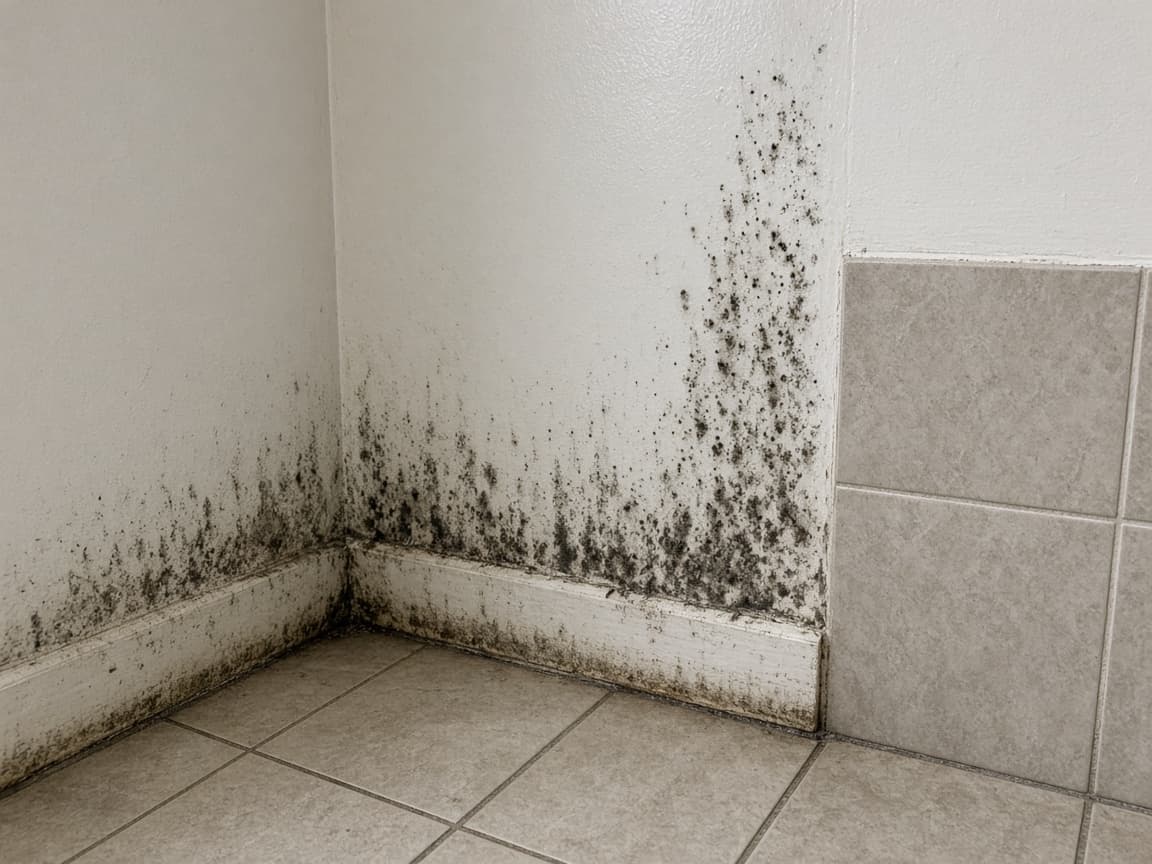
Seeing mold or smelling mustiness in Clearwater? Start with what you notice.
Coastal humidity after storm moisture can leave hidden damp materials. Start with what you notice — then assess source and extent.
Start here
What are you seeing or smelling?
Mold decisions usually start with source and extent — not emergency extraction. Choose the closest match for practical next steps.
Guidance panel
Choose a situation to see what to do next.
This is the same PostDamage path used across the product: understand the situation first, then continue only when professional help makes sense.
Next step
Ready for local help?
Choose a situation above first. We’ll preserve what you selected and only ask for ZIP and contact details.
Choose your situationRemediation process
Find moisture → Assess extent → Contain → Correct
Mold work is usually about source and extent first. Cleaning alone rarely holds if moisture continues.
01
Find moisture
Identify active leaks, condensation or humidity conditions that support growth.
02
Assess extent
Understand how far materials are affected before choosing cleaning versus controlled removal.
03
Contain
Isolate the work area when needed so dust and debris do not spread to unaffected rooms.
04
Correct
Address affected materials and the moisture cause so conditions are less likely to return.
What Clearwater homeowners should watch for
Confirm whether moisture is still active, then continue to inspection or remediation help when extent is unclear.
Coastal humidity on barrier-island stock
Persistent coastal humidity plus storm moisture on barrier-island homes can leave cavities damp after surface cleanup. Correct the moisture source before focusing only on visible growth.
Coastal humidity after water intrusion
Gulf-side humidity accelerates mold risk after any unresolved leak or storm entry. Correcting moisture sources matters as much as cleaning visible growth.
Humidity and unfinished drying
Year-round humidity means wet materials that look dry on the surface can still support secondary damage. Project peak mold-risk window for this market: year-round; peaks June–October. Unfinished drying after a leak is the decision risk — not rainfall averages.
Area served: Clearwater, FL and surrounding communities · No specific provider is represented as already assigned on this page.
Insurance & documentation checklist
Mold coverage is often limited and may depend on whether a covered sudden water loss caused the moisture. Organize facts before assuming coverage.
- 01
Document moisture history
Note leak dates, what was dried, and when growth or odor appeared — cause matters for many policies.
- 02
Photograph safely
Capture visible areas and related water damage without disturbing materials or entering unsafe spaces.
- 03
Ask about policy limits
Many policies limit or exclude mold, long-term seepage and maintenance conditions. Ask for the applicable language.
- 04
Separate scopes
Request written scopes that distinguish moisture correction, remediation and unrelated repairs or upgrades.